Gurjan vs. Poplar Plywood: The Ultimate Technical Comparison & Buyer's Guide for Haryana Homeowners
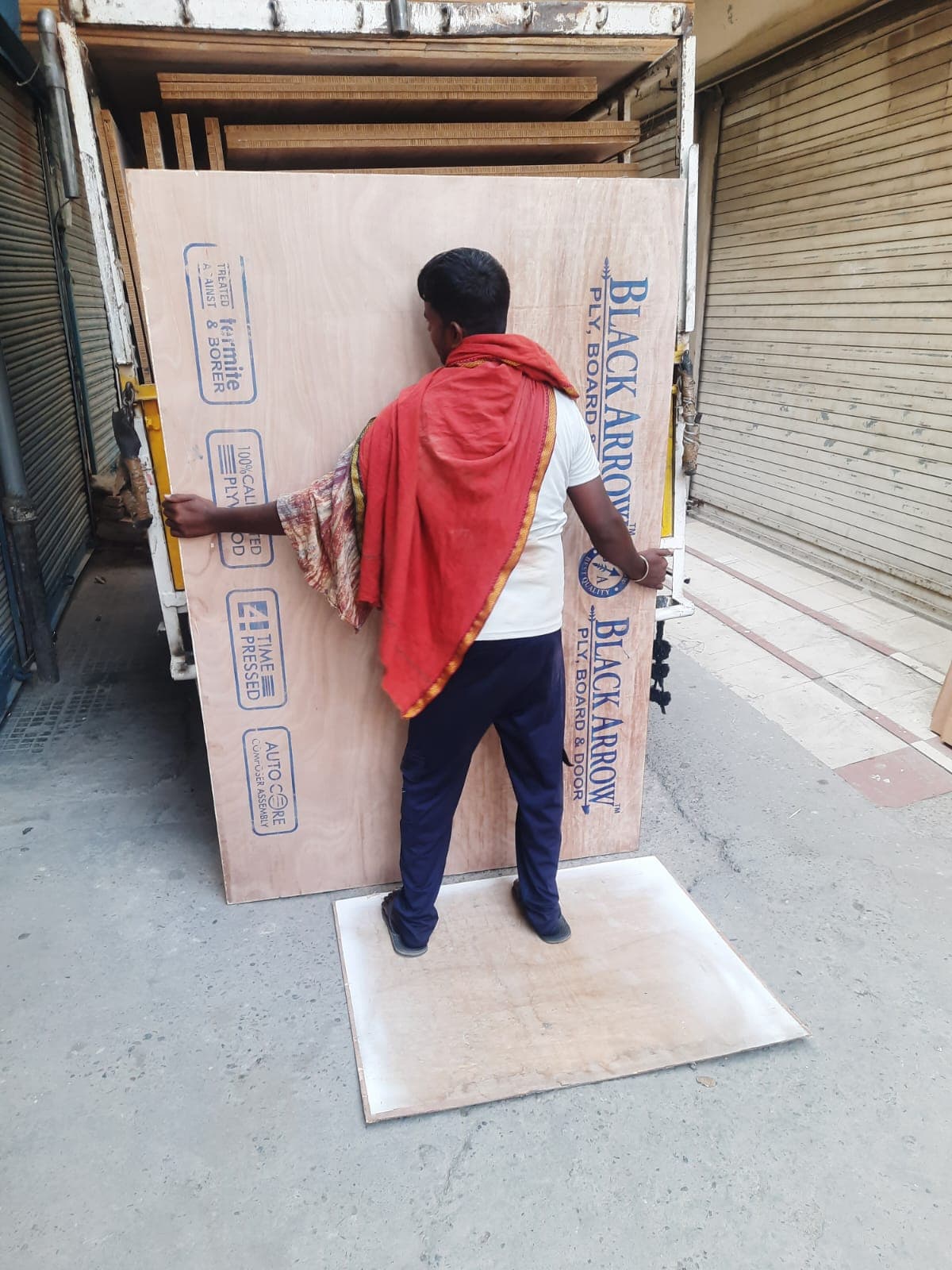
When building or renovating your dream home in Haryana—whether in the modern residential sectors of Karnal, the bustling industrial zones of Panipat, the educational centers of Kurukshetra, or the historical corridors of Ambala—one of the most frequent material choices you will face at the timber shop is selecting the correct wood species for your plywood core. The core species determines the structural performance, weight, screw-holding power, warp-resistance, and overall lifespan of your modular kitchen, wardrobes, beds, and decorative panelings.
Among the dozens of plywood varieties in the Indian timber market, two species represent opposite ends of the spectrum: Gurjan and Poplar. Deceptive marketing and loose unbranded material labels often confuse buyers, making it easy to pay premium prices for low-grade substitutes. In this exhaustive technical comparison, the expert wood consultants at Shree Ganesh Plywood break down the physical characteristics, engineering tolerances, price matrices, and functional applications of both woods, helping you make an informed decision for your home project.
1. Botanical Profile & Raw Origins: Tropical Hardwood vs. Agroforestry Softwood
To understand how these woods behave in your furniture, we must look at their natural growth profiles and botanical origins. These inherent biological traits cannot be changed by simple chemical coatings:
- Gurjan Wood: Gurjan represents a class of premium tropical hardwood derived from trees of the Dipterocarpus genus. Native to the dense, high-humidity rainforests of Southeast Asia (primarily Myanmar, Indonesia, and Malaysia), Gurjan trees grow slowly over decades, resulting in a tightly packed, dense cellular structure. The wood features a characteristic reddish-brown hue and is naturally rich in organic oils and resins that act as a defense against water absorption and biological attack.
- Poplar Wood: Poplar belongs to the Populus genus, which is a fast-growing, temperate hardwood (technically classified as hardwood, but physically behaving like a softwood). It is widely grown in highly optimized agroforestry plantations across northern India, particularly in Haryana, Punjab, and Uttar Pradesh. Poplar trees grow rapidly and can be harvested in just 5 to 8 years. The wood is pale yellow or creamy white, has a loose cellular fiber arrangement, contains high levels of natural starches (which can attract pests), and is naturally highly lightweight.
2. Physical Properties: Density, Weight, and Load-Bearing Capacity
The primary physical difference between these two core materials lies in their density and weight. This has a direct impact on the structural strength of your home fittings:
- Density and Mass: Genuine Gurjan plywood is exceptionally heavy, boasting a dense packing structure of around 720 to 850 kg/m³. On the other hand, Poplar plywood is highly lightweight, with a density ranging between 400 and 500 kg/m³. Lifting a standard 18mm 8x4 sheet of Gurjan plywood requires two workers, whereas a Poplar sheet of matching dimensions can easily be carried by a single individual.
- Screw-Holding Power: Because Gurjan fibers are tightly packed, they grip threads with immense friction, allowing screws and nails to support heavy weight loads without slipping or losing hold. Poplar, with its softer fibers, provides lower screw-holding friction. Over years of daily opening and closing, heavy cabinet doors made of cheap Poplar can sag as hinges pull free from the soft wood base.
- Bending and Sagging Resistance: Gurjan has high modulus of elasticity, meaning it can support heavy weights over long horizontal spans—such as study desk tops or bookshelf partitions—without sagging down in the middle. Poplar sheets, while rigid over small spans, have a tendency to bend or sag when subjected to continuous point loads over long spans.
3. Moisture Resistance and Borer-Proof Durability
Haryana experiences extreme climate swings, from hot and dry summers to intense monsoons and cold, damp winters. These shifts in relative humidity cause wood to expand and contract. How these cores handle moisture determines your furniture's durability:
- Water Swelling: Gurjan's natural organic oils and dense grain structure make it naturally highly resistant to water penetration. When bonded with Boiling Water Proof (BWP) synthetic phenol-formaldehyde resins (IS:710 Marine standard), it can withstand prolonged water contact with minimal swelling. Poplar wood, due to its low density and open pores, absorbs moisture rapidly like a sponge. If a Poplar core panel is exposed to continuous water leaks (like under a kitchen sink), it swells, delaminates, and rots within a few months.
- Pest Vulnerability: Poplar wood is rich in natural starches, which are a primary food source for termites ("deemak") and wood-boring beetles ("ghun"). Unless Poplar cores undergo deep vacuum pressure chemical treatment with organic boron compounds, they are highly vulnerable to pest infestations. Gurjan wood is naturally bitter and oil-rich, making it highly unappealing to boring beetles and termites.
4. The Alternate / Combi-Core Solution: Achieving the Perfect Balance
Because pure Gurjan is expensive and heavy, and pure Poplar is soft and vulnerable, plywood manufacturers developed a highly popular hybrid solution: Alternate Core (or Combi-Core) Plywood.
In an Alternate Core sheet, layers of Gurjan wood veneer and Poplar wood veneer are stacked alternatively (e.g., one layer of reddish Gurjan, then one layer of cream Poplar, and so on). This hybrid configuration is a smart engineering solution:
- Balanced Weight: It is significantly lighter than 100% Gurjan plywood, making it easier to handle on-site, reducing stress on door frames and hinge hardware.
- Enhanced Strength: It provides much better screw-holding capacity and warp resistance than pure Poplar, as the Gurjan layers absorb the structural load forces.
- Cost Efficiency: It offers a highly economical choice, bringing down material budgets compared to pure Gurjan, while still outperforming pure Poplar wood panels.
5. Exposing the Trade Scams: The Infamous "Red Paint" Core Trap
Because Gurjan plywood is universally known for its premium reddish-brown hue and commands high prices, fraudulent unbranded manufacturers have developed a deceptive practice known as the "Red Paint Core Trap" to trick retail buyers:
Local factories take cheap, low-density, unseasoned Poplar plywood sheets and dip the outer edges in red-colored wood dye or paint. When a buyer looks at the stack of sheets in the store, the edges appear to be dark reddish-brown, mimicking genuine Gurjan or hardwood cores. Once the carpenter cuts the sheet on-site, the deception is revealed: the interior core is completely white and powdery Poplar, filled with core gaps and voids.
- The Scratch Test: Take a coin or a key and scratch the edge of the board. If paint has been applied, the thin red layer will scratch away to reveal white Poplar wood underneath. Genuine hardwood cores maintain their deep reddish-brown color all the way through.
- The Core Scent Test: Cheap, unseasoned Poplar sheets processed with low-quality Urea-Formaldehyde adhesives release a strong, irritating chemical smell. Genuine Gurjan plywood has a mild, pleasant wood aroma.
- The Weight Test: Lift the sheet. If an 18mm 8x4 sheet feels light and easy to lift with one hand, it is Poplar, regardless of how dark or red the outer edge has been dyed.
6. Application Guide: What Core Species Goes Where?
To design a cost-optimized home interior with lifetime durability, smart homeowners use a split structural strategy. There is no need to spend money on expensive 100% Gurjan plywood for the entire house, but using cheap Poplar everywhere is a recipe for quick structural failure:
- High-Moisture Wet Zones (Kitchen Sinks, Bathroom Vanities, Balcony Panels): Always specify 100% genuine Gurjan core or premium BWP Marine Plywood (IS:710). These areas are subject to constant water exposure and plumbing leaks. Investing in high-density Gurjan here prevents swelling and mold growth.
- Dry Durability Zones (Bedroom Wardrobe Shutters, Living Room TV Units, Wall Partition Panels): Use high-quality Alternate Core (Combi) plywood. This provides excellent warp resistance to keep long vertical doors straight, while keeping your material budget optimized.
- Lightweight Ceilings and Acoustic Panels: Use high-grade, chemically pre-treated Poplar or lightweight MDF sheets. The low weight of Poplar reduces the load on your ceiling suspensions, ensuring a safer and easier installation.
7. Price Index Comparison in Haryana (Karnal Wholesale Estimates)
To help you plan your interior material budget, here is an approximate pricing matrix for standard 18mm thickness plywood sheets in the Haryana region (compiled as wholesale trade estimates from our Karnal yard):
- Pure Poplar Core Plywood (Unbranded / MR Grade): ₹50 to ₹65 per square foot. (Budget-friendly but low durability, prone to warp and pests if untreated).
- Premium Pre-treated Poplar Plywood (Branded IS:303): ₹65 to ₹80 per square foot. (Stronger, chemically treated against termites, great for dry areas).
- Alternate Hardwood / Combi Core Plywood (Branded BWR): ₹80 to ₹98 per square foot. (The ideal sweet spot for wardrobes, durable and cost-effective).
- 100% Genuine Gurjan Core Plywood (Certified IS:710 Marine): ₹115 to ₹160+ per square foot. (Premium gold standard, 100% boiling waterproof, lifetime structural durability).
8. Why Shree Ganesh Plywood is Your Trusted Technical Wood Partner in Karnal, Haryana
At Shree Ganesh Plywood, located in Arjun Furniture Market, Karnal, we have spent over thirty years serving architects, interior designers, and homeowners across northern Haryana. We treat plywood selection as a technical science. When you partner with us, you enjoy distinct advantages:
- Guaranteed Genuine Sourcing: We are direct authorized stockists for India's leading certified brands (including Kitply, Action Tesa, CP, AppleWud, and BlackCore). Every single sheet comes with official brand stamps and written replacement warranties, completely removing duplicate material risks.
- Absolute Transparency: We practice "Right Advice, Right Price." We will never sell you Alternate Core plywood as 100% Gurjan, nor will we push you to buy expensive Marine plywood where a cost-effective alternate board serves perfectly.
- Perfect Warehouse Storage: We store our entire timber stock flat in clean, dry, climate-regulated warehouses, preventing pre-installation warping and keeping the faces clean for high-end laminate bonding.
- Prompt regional Logistics: Situated close to the National Highway 44 (GT Road) in Karnal, we run our own freight vehicles to deliver bulk materials to sites in Sonipat, Panipat, Kurukshetra, Ambala, Kaithal, and Yamunanagar within 24 to 48 hours.
Have an upcoming interior design project or need wholesale bulk pricing? Contact our timber desk directly at +91 98130 44125 to speak with an expert, or drop by our showroom for a physical material review.
About Shree Ganesh Plywood
Arjun Furniture Market, Karnal
Serving Karnal and Haryana since 2010, we deliver premium certifications (like IS 710 and IS 303) of architectural-grade plywood, veneers, laminates, and doors. Quality that is certified, tested, and trusted.
Explore More Guides & Articles

Natural Teak and Straight Liner Plywood: Complete Guide to Grains, Cuts, and Architectural Woodwork
Explore the definitive architectural guide on Natural Teak and Straight Liner plywood. Understand Crown Cut (Flowery) vs Quarter Cut (Straight Grain) veneers, why straight liner backing is essential to prevent wardrobe shutter warping, polish finishes (PU, Melamine, Natural Oils), and where to source authentic teak plywood at wholesale prices in Karnal, Panipat, Kurukshetra, and across Haryana.

Plywood Dealers in Karnal: How to Choose the Right Supplier for Residential & Commercial Projects
Looking for the best plywood dealers in Karnal? Learn how to choose the right timber supplier. Compare wholesale vs retail pricing, verify authentic ISI hallmark licenses (IS:710 & IS:303), check 4-way calibration quality, and discover why architects and contractors across Haryana trust Shree Ganesh Plywood, Arjun Furniture Market, Karnal.

Modular Kitchen Material Guide: Comparing BWP Marine Ply, HDHMR, Acrylic & Laminates in Karnal & Haryana
Planning a new modular kitchen in Karnal, Panipat, or Kurukshetra? Compare IS:710 BWP Marine Plywood vs. Action Tesa HDHMR, PVC boards, acrylic vs laminate finishes, and J-pull handles. Master modular kitchen carcass & shutter material selection with Shree Ganesh Plywood, Karnal.